
Category: Research
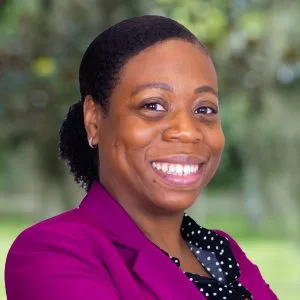
Taylor Receives NIH-Funded K12 Award to Advance Research on Chronic Tendon Pain
November 14, 2025Brittany Taylor, Ph.D., an assistant professor in the J. Crayton Pruitt Family Department of Biomedical Engineering at the University of Florida, has been selected for a prestigious K12 Career Development Award, supported through the National Institutes of Health’s Clinical and Translational Science Award (CTSA) recently granted to UF and Florida State University.
Read more: Taylor Receives NIH-Funded K12 Award to Advance Research on Chronic Tendon Pain »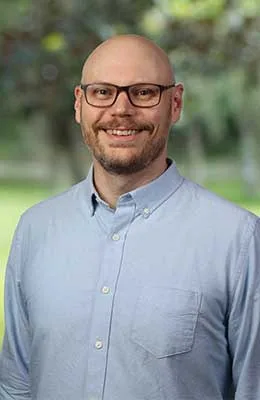
Phelps contributes to study on type 1 diabetes progression
November 3, 2025A new study published in Cell Reports, co-led by University of Florida’s J. Crayton Pruitt Family Department of Biomedical Engineering associate professor Edward A. Phelps, Ph.D., and College of Veterinary Medicine chair and professor Clayton E. Mathews, Ph.D., reveals that beta cell dysfunction occurs independently of immune cell infiltration in the pancreas during the onset of […]
Read more: Phelps contributes to study on type 1 diabetes progression »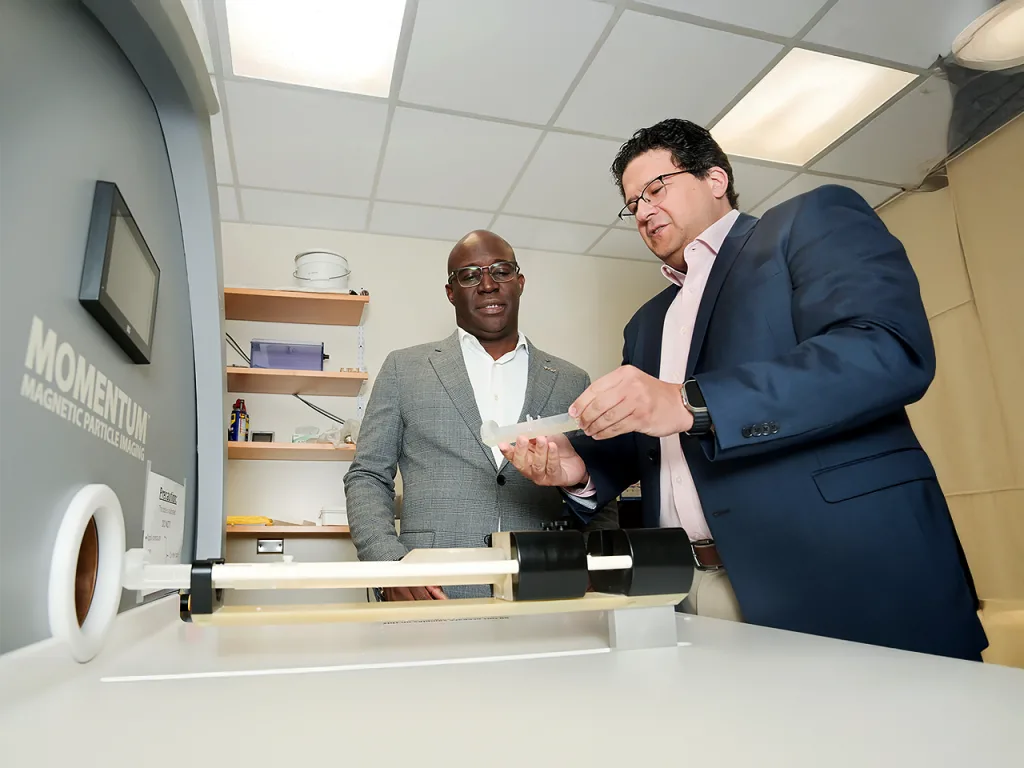
New imaging method helps immune cells zero in on cancer
October 2, 2025In a collaboration between UF’s biomedical engineering and neurosurgery departments, UF researchers are testing the potential of nanoparticle imaging to boost cancer immunity.
Read more: New imaging method helps immune cells zero in on cancer »
Do CT scans increase childhood cancer risk? A UF researcher has the answer
September 24, 2025A recent study featuring research by University of Florida Engineering Professor Wesley Bolch, Ph.D., links exposure to radiation from medical imaging to a small-but-significant risk of blood cancers among children and adolescents.
Read more: Do CT scans increase childhood cancer risk? A UF researcher has the answer »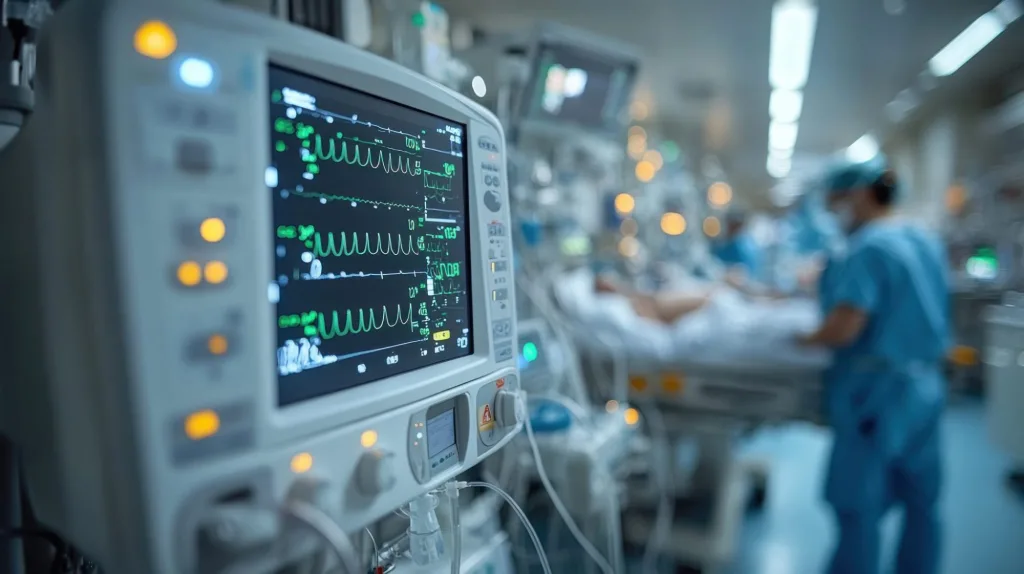
UF BME and COM researchers publish innovative ICU prediction model in Nature Communications
September 8, 2025Intensive care units (ICUs) in the United States admit over five million patients annually, with mortality rates ranging from 10% to 29%. Given that a patient’s condition can change rapidly, early detection of deterioration is crucial for enabling timely interventions and improving outcomes. While existing systems provide some guidance, they are often manual and offer […]
Read more: UF BME and COM researchers publish innovative ICU prediction model in Nature Communications »UF will help build 3D cellular map of the human body
October 26, 2018University of Florida researchers along with BME professor Dr. Kevin J. Otto are helping the National Institutes of Health build a 3D cellular map of the human body showing how tissues and organs differ on a cellular level. Otto along with a multidisciplinary team at UF Health were awarded a $5.1 million grant as part […]
Read more: UF will help build 3D cellular map of the human body »